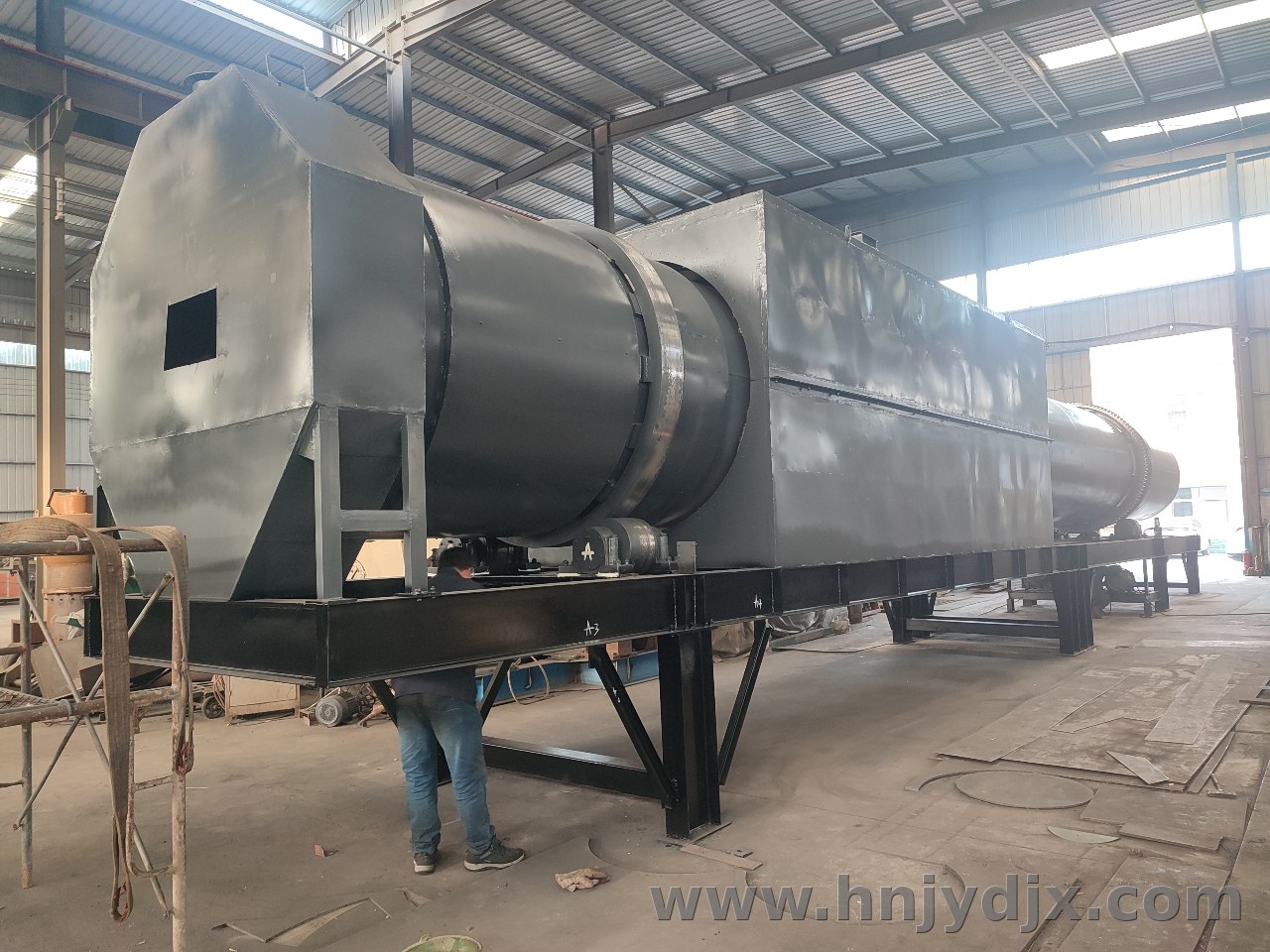
Product Overview
How it works
Electric heating elements or electromagnetic heating supply the heat, replacing a boiler and steam system, which makes the unit more compact.
Throughput range
The electromagnetic series handles roughly 200–5000 kg/h. Actual figures vary with material and operating conditions and are confirmed by a trial run.
Where it fits
Suits sites with no steam supply, or where running steam piping is impractical. Adequate electrical capacity is a prerequisite.
Compared with steam heating
Steam is more economical in plants that already have a boiler, while electric heating is more flexible to deploy and faster to start. The choice depends on the site energy supply and running cost.
Working Principle
1. Two electric heating methods
The electric-heating series comes in two heat-source forms. The resistance type transfers heat through electric heating elements; the electromagnetic type drives an alternating current through a coil to create a high-frequency alternating magnetic field, so the drum metal generates eddy currents and heats itself, with the heat produced in the drum wall — no combustion and no second transfer via hot air, giving higher thermal efficiency and temperature-control precision.
2. The rotating drum tumbles the material
A motor rotates the drum slowly while the internal flights keep lifting and dropping the material into a curtain that contacts the heat transmitted through the drum wall; the moisture evaporates and leaves with the induced draught.
3. Residence time in minutes
Residence time in the drum is set jointly by speed, installation slope, flight form and air volume, and is measured in minutes, suiting powdery, granular and flake materials that need a certain drying duration.
4. Temperature control and safety
Electromagnetic heating gives higher temperature-control precision than traditional resistance heating, with inlet and outlet air temperature shown in real time plus over-temperature alarm and interlock. When drying combustible dusts such as aluminium powder, matched dust collection and explosion protection are required, with the temperature ceiling set to the material safe threshold.
5. No combustion, no exhaust
Electricity as the heat source means no combustion process and no combustion exhaust, with high cleanliness — suited to workshops with high cleanliness requirements, and to sites with no steam supply and no practical way to run piping.
Safety on the heat-source side is not a promise; it is the sum of several concrete measures — a flame barrier that keeps flame away from the material, spark capture that traps carry-over embers, an over-temperature interlock that cuts the heat once the limit is passed, and ash settled and discharged separately rather than travelling into the drying tube with the hot air. For flammable materials and high-ash fuels these are the baseline; that is what flame and ash control refers to here.
Key Features
- Electromagnetic heating, approx. 200–5000 kg/h
- No boiler or steam piping required, simple on-site deployment
- Relatively precise temperature control
- Suits sites with adequate power but no steam
Target Users
- Works with no steam supply and no practical way to run steam piping
- Workshops needing cleanliness and free of combustion exhaust
- Users with ample electrical capacity who want flexible deployment and fast start-up
- Duties drying combustible dusts such as aluminium powder, where precise temperature control matters
Advantages
- Electricity as the heat source, with no boiler or steam piping and simple on-site deployment
- Electromagnetic heating generates heat in the drum wall itself, with high temperature-control precision
- No combustion and no exhaust, high cleanliness
- Fast start-up and simple operation
Limitations and Notes
- Power-hungry, with high running electricity cost; site electrical capacity must match
Available Heat Sources
Jinyida dryers support flexible heat sources: gas, coal, electricity, steam, electromagnetic, biomass pellets, biomass oil, natural gas and waste wood. The right source is matched to the material and site utilities; the final selection is confirmed in the proposal.
Suitable Materials
Materials above come from our material library and are examples only. Whether a material dries steadily depends on particle size, bulk density and moisture levels; the final answer comes from a trial run with your own material.
Related FAQs
Electric heating or steam heating?
The choice mainly follows the site energy supply:
Steam heating
Suits plants that already have a boiler or steam piping. Running cost is relatively lower and it fits long continuous production.
Electric / electromagnetic heating
Suits sites with no steam supply, requiring no piping, with flexible deployment and fast start-up. The electromagnetic series handles roughly 200–5000 kg/h, provided the electrical capacity matches.
How to decide
Check whether a boiler exists, whether electrical capacity is sufficient, and which running cost is lower over time. With adequate power and no steam, electric heating is the simpler choice.
How is dryer capacity stated?
A few points need to be clear about capacity figures:
1. Capacity is not a fixed value. The same machine will produce different figures for a different material, a different initial moisture content or a different target final moisture.
2. Figures must state whether they are on a dry basis or a wet basis. Dry basis means the mass of bone-dry material; wet basis includes the moisture. The two differ substantially and the ambiguity causes problems if it is not stated.
3. Official data comes from a trial run. Until the operating parameters are fixed, any capacity figure is only an order of magnitude.
4. Air volume can be stated precisely. It is fixed by the machine size, does not change with the material and can be given at the selection stage.
Providing the material name, the initial moisture content and the target final moisture is what makes a recommendation usable.
Can the equipment be customised, and what is the lead time?
Equipment is built to suit the operating conditions. Lead time depends mainly on the machine size and how complex the configuration is, and scheduling is arranged once the requirement is clear.
The parameters to provide in advance are: material name and properties, initial moisture content, target final moisture, daily throughput, and the available space and energy supply (electrical capacity or steam parameters).
The clearer the parameters, the more accurate the selection and quotation, and the easier the schedule. If they are not yet clear, a small trial run is the usual way to establish them.