Flash Airflow Dryer · JYD-220 / JYD-280 / JYD-325 / JYD-400 / JYD-500 / JYD-600
Flash Airflow Dryer
The flash airflow dryer removes moisture through brief contact between high-te...
View full specifications →+8615238028609 Selection advice · Chat anytime
Not sure which machine fits? Derive a machine direction from your material conditions, look up a material by name, or work out material consumption and evaporation first. All three tools run on the server, so the results are ready to use.
Four conditions — material form, heat sensitivity, throughput and environmental requirements — point to a machine direction, an alternative and a heat source suggestion. This is a selection direction; the final configuration is confirmed by a trial run on your material.
Type a material name or a common alias to see the recommended dryer and selection notes. Capacity varies with operating conditions, but the machine direction stays the same.
Covering 13 industries and 257 materials.
Wet basis takes the total wet weight as the denominator, dry basis takes the bone-dry material. Enter a moisture content to see both readings side by side, along with the wet material needed per tonne of finished product.
Calculated from mass balance only and independent of the machine model. Actual output also depends on the heat source, inlet air temperature and site conditions, so a trial run remains the reference.
Grouped by material form and dewatering process. Confirm the initial and target moisture content before selection.
The rotary dryer tumbles the material inside a rotating drum so that it contacts the hot a...
View specifications →The flash airflow dryer removes moisture through brief contact between high-temperature ai...
View specifications →The electric heating dryer uses electricity as its heat source and needs no boiler or stea...
View specifications →The batch rotary dryer charges and discharges one batch at a time. Of the four machine typ...
View specifications →Capacity varies with operating conditions and is confirmed by a trial run; parameters fixed by machine size can be stated precisely.
Flash Airflow Dryer · JYD-220 / JYD-280 / JYD-325 / JYD-400 / JYD-500 / JYD-600
The flash airflow dryer removes moisture through brief contact between high-te...
View full specifications →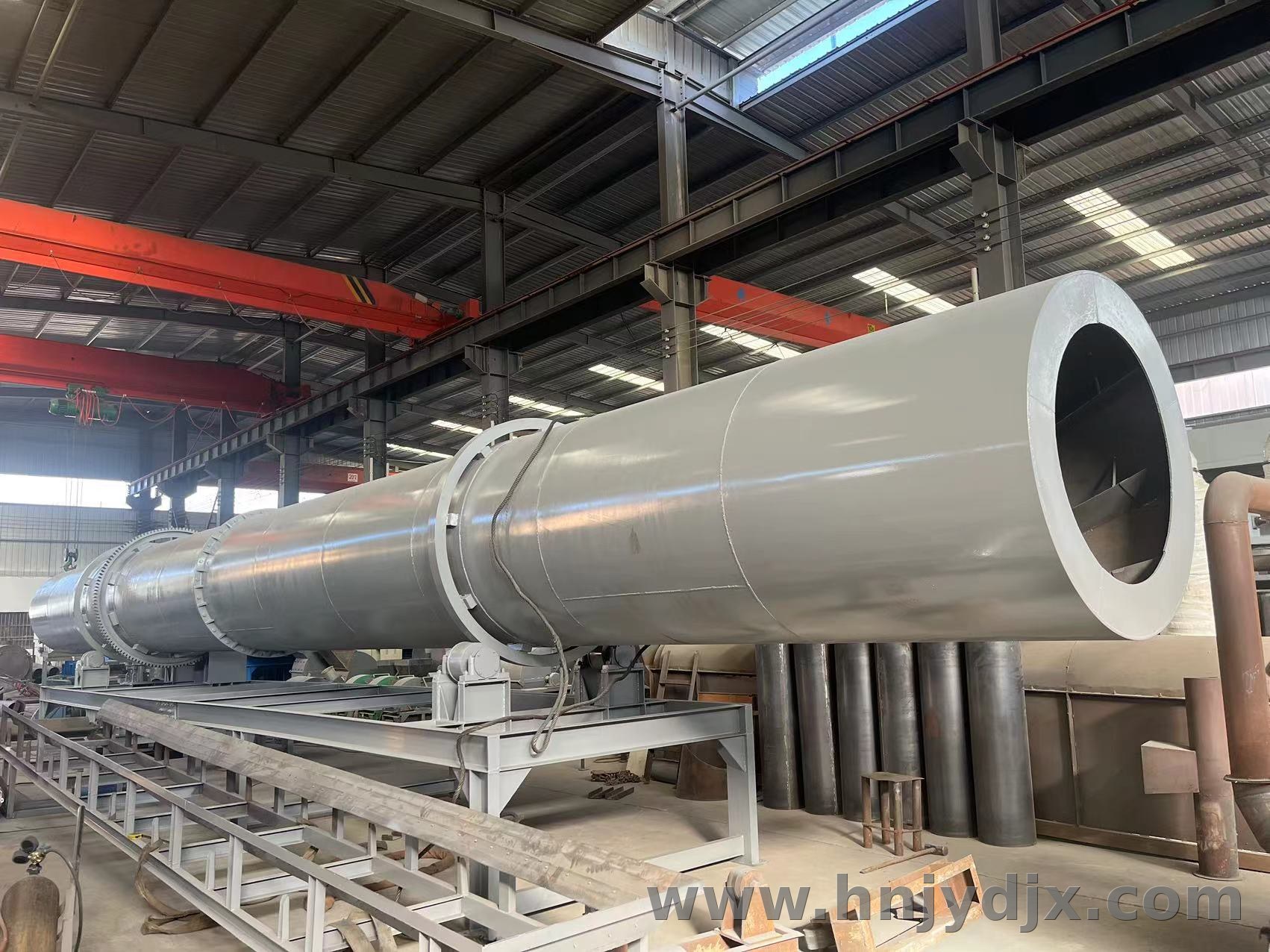
Rotary Dryer · 0890 / 1012 等
The rotary dryer tumbles the material inside a rotating drum so that it contac...
View full specifications →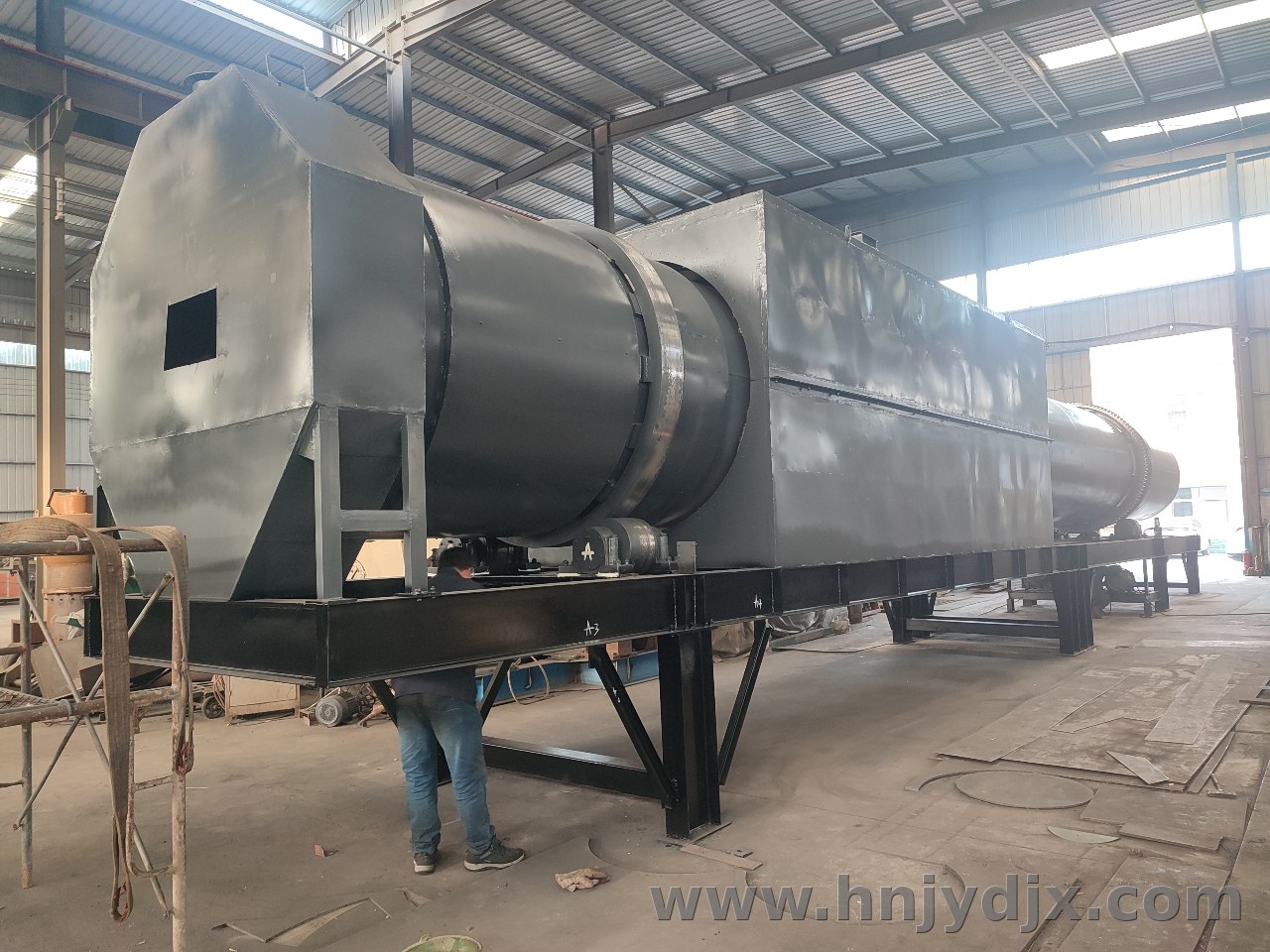
Electric Heating Dryer · 电磁加热系列
The electric heating dryer uses electricity as its heat source and needs no bo...
View full specifications →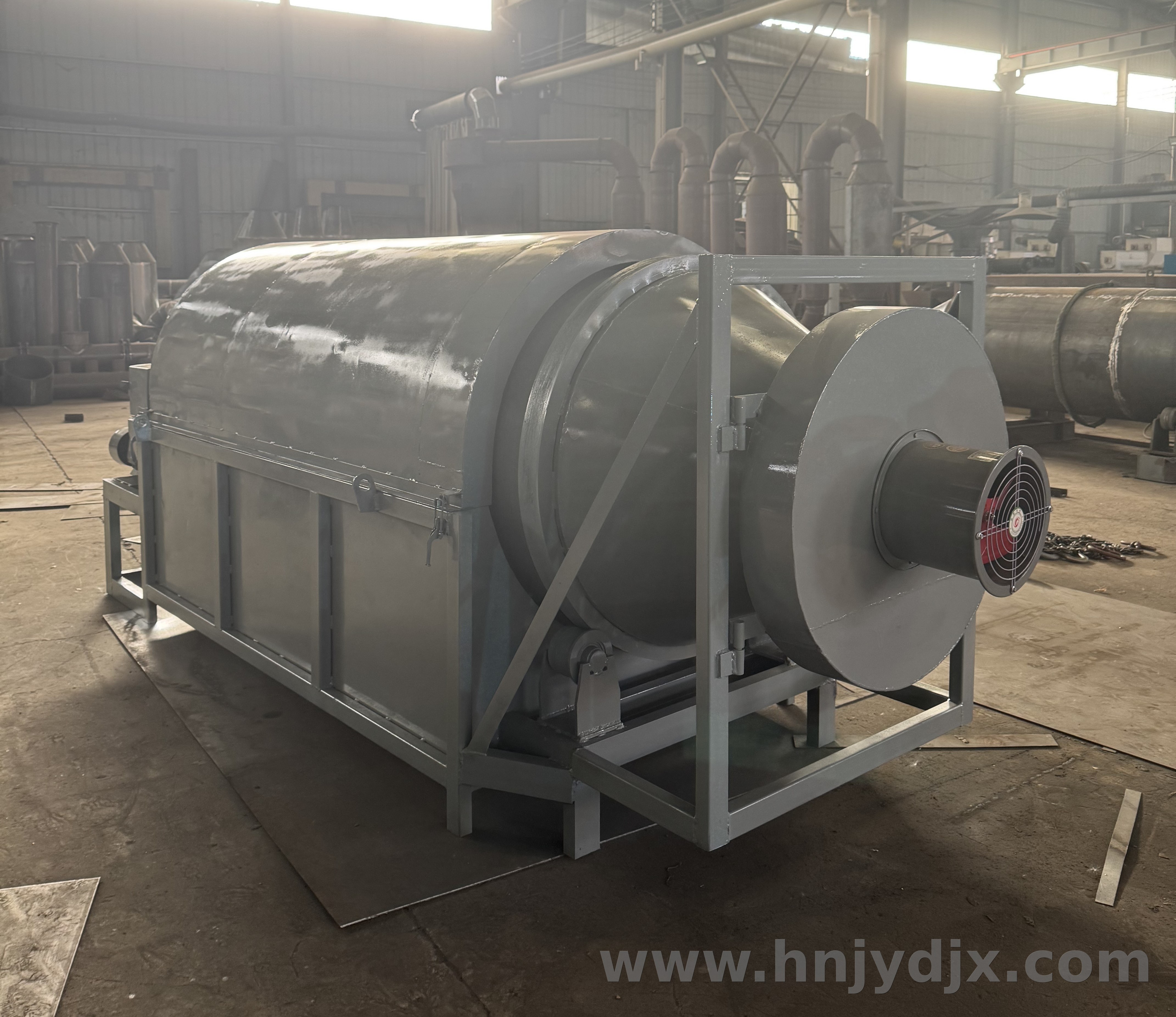
Batch Rotary Dryer · 按工况定制
The batch rotary dryer charges and discharges one batch at a time. Of the four...
View full specifications →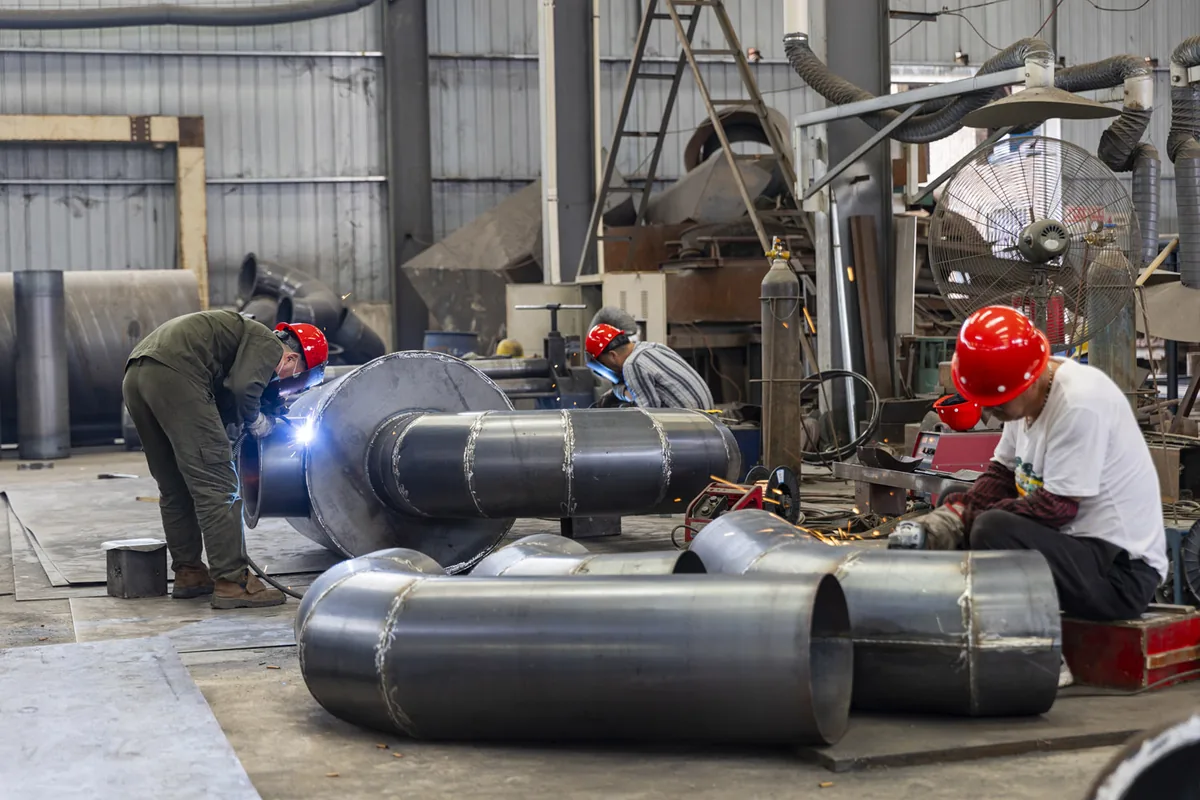
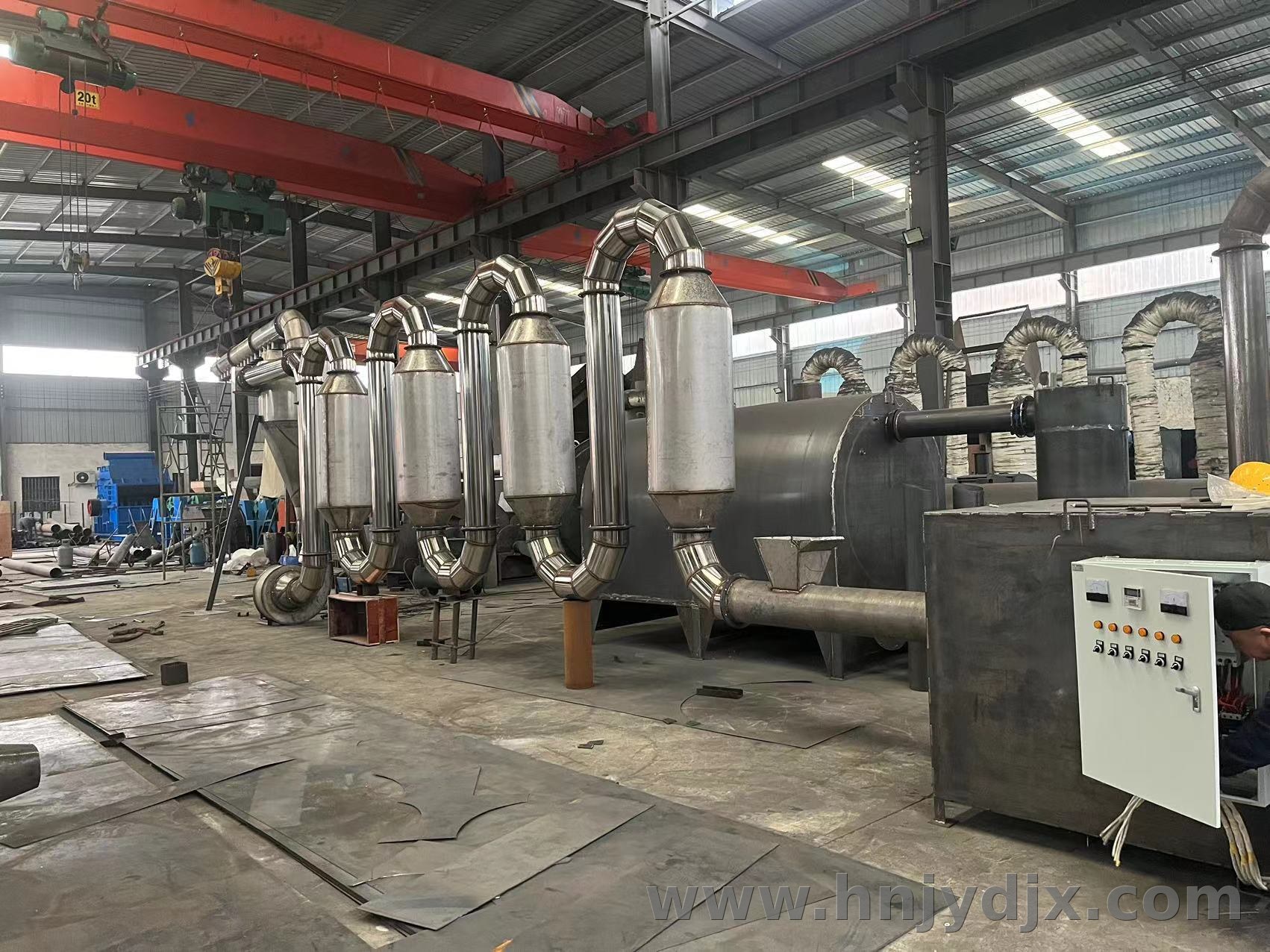
Henan Jinyida Machinery Equipment Manufacturing Co., Ltd. ships flash dryers as complete systems — drying duct, cyclone separator, induced draft fan and connecting pipes — with cutting, rolling, welding and pre-assembly all done in our own workshop. The photo shows several shells being welded at the same time.
Real material applications and selection rationale, with industry, region, equipment type and outcome.
Material:Label paper · Equipment:Flash dryer Φ400
A label paper plant in Chongqing needs 500 kg/h on a dry basis, drying from 30...
View case →Material: · Equipment:Electromagnetic heating dryer
A customer in Huaian selected a Φ1m×12m electromagnetic-heating rotary dryer, ...
View case →Material:PVC powder · Equipment:Flash airflow dryer
PVC powder dried from 25% to 1% moisture at about 800 kg/h with a flash airflo...
View case →Pre-sales: based on the material, the initial moisture content and the target final moisture, we sug...
Selection: machine size and heat source are determined together with the available floor space, elec...
Delivery: machines are assembled and trial-run before they leave the factory. On site, our staff gui...
After-sales: contact us at any time if a problem appears in operation. Wear-part replacement interva...
Notes on capacity basis, equipment comparison, heat source selection and customisation lead time.
A few points need to be clear about capacity figures:
1. Capacity is not a fixed value. The same machine will produce different figures for a different material, a different initial moisture content or a different target final moisture.
2. Figures must state whether they are on a dry basis or a wet basis. Dry basis means the mass of bone-dry material; wet basis includes the moisture. The two differ substantially and the ambiguity causes problems if it is not stated.
3. Official data comes from a trial run. Until the operating parameters are fixed, any capacity figure is only an order of magnitude.
4. Air volume can be stated precisely. It is fixed by the machine size, does not change with the material and can be given at the selection stage.
Providing the material name, the initial moisture content and the target final moisture is what makes a recommendation usable.
The two have different structures and suit different duties:
It dewaters through brief contact between high-temperature air and the material. Drying is fast, which suits inorganic salts and chemical powders that need rapid dewatering. Sizes are Φ220, Φ280, Φ325, Φ400, Φ500 and Φ600.
The rotating drum tumbles the material for more even heating. It suits sawdust, plastic pellets and flake materials that do not break up while tumbling.
Look at the material form and whether it is sticky. Powders and fast-dewatering duties point to flash airflow; granular or flake materials needing even heating point to rotary. The moisture content and target final moisture still have to be considered.
The choice mainly follows the site energy supply:
Suits plants that already have a boiler or steam piping. Running cost is relatively lower and it fits long continuous production.
Suits sites with no steam supply, requiring no piping, with flexible deployment and fast start-up. The electromagnetic series handles roughly 200–5000 kg/h, provided the electrical capacity matches.
Check whether a boiler exists, whether electrical capacity is sufficient, and which running cost is lower over time. With adequate power and no steam, electric heating is the simpler choice.
Equipment is built to suit the operating conditions. Lead time depends mainly on the machine size and how complex the configuration is, and scheduling is arranged once the requirement is clear.
The parameters to provide in advance are: material name and properties, initial moisture content, target final moisture, daily throughput, and the available space and energy supply (electrical capacity or steam parameters).
The clearer the parameters, the more accurate the selection and quotation, and the easier the schedule. If they are not yet clear, a small trial run is the usual way to establish them.
Powders such as battery-grade lithium powder and aluminium powder have strict batch consistency requirements. Two approaches are common:
Charges, dries, cools and discharges in cycles, with controlled time and temperature per batch and small variation between batches. Suits small volumes and frequent product changes.
Continuous operation with fast dewatering, suiting high-volume continuous production.
Powders are generally hygroscopic and easily airborne, and aluminium powder also needs explosion protection and temperature control. These conditions should be raised with the manufacturer at the selection stage.
The price depends on the configuration, and the configuration depends on the operating conditions, so the same type of machine can differ substantially in price between applications. The main factors are:
Drying tube diameter or drum size, material of construction (carbon steel or stainless steel) and wall thickness form the main part of the price.
Steam, electric heating, electromagnetic heating and natural gas require noticeably different ancillary equipment and therefore carry different prices.
Fans, dust collectors, feed and discharge conveyors, control cabinets and any explosion protection requirement all enter the total price.
Provide the material name and form, initial moisture content, target final moisture, daily throughput and the site heat source conditions, and a corresponding configuration and quotation can be given. If the parameters are incomplete, a directional range is possible first.
Tell us the material, initial moisture content and target final moisture, and we will propose a configuration that fits.